Theme: Strengthening feminist movements

  • Power of Learning

    Power of Learning

    Supported by the Dutch Ministry of Foreign Affairs (MFA), the Power of Learning (PoL) programme promotes collaboration and knowledge exchange among civil society organisations (CSOs) across seven countries — Bangladesh, Burundi, Egypt, Lebanon, Niger, Sudan, and Uganda. The platform creates a shared space for learning, addressing complex challenges, and fostering a culture of continuous reflection and empowerment among movement builders.


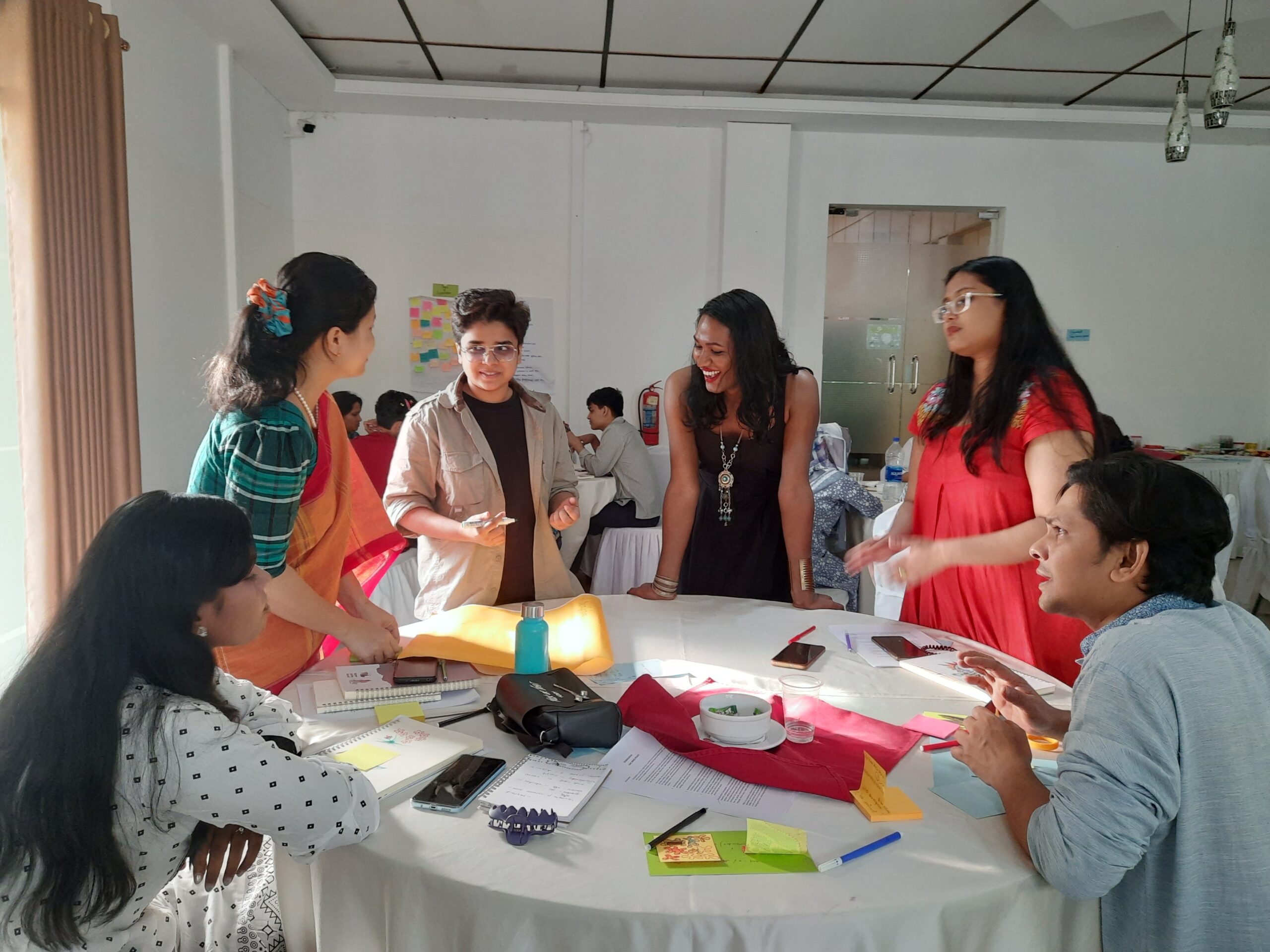
    As an active member, Bonhishikha has contributed insights from its programmes and movement initiatives, advocating for the integration of Gender Transformative Approaches (GTA) across diverse contexts. In February 2024, Bonhishikha hosted a capacity-building workshop on ‘Understanding the Gender Transformative Approach in Programming’, introducing key concepts such as gender and power dynamics, the socio-ecological model of change, and the Gender Equality Continuum. Through interactive discussions, the session guided participants to apply feminist frameworks, challenge systemic inequalities, and design inclusive, gender-equitable programmes grounded in lived experience.
  • Recipes of Rest : A Feminist Retreat to Establish Rest as Resistance

    Recipes of Rest : A Feminist Retreat to Establish Rest as Resistance

    Building on the Safety and Care Assessment conducted in 2024, Bonhishikha aimed to build a pathway to cultivate a movement-focused space for exploring connections and care. Activists, caregivers, artists, and organisers continue to work under intense pressure – emotionally, financially, and physically – while confronting multiple layers of systemic violence.


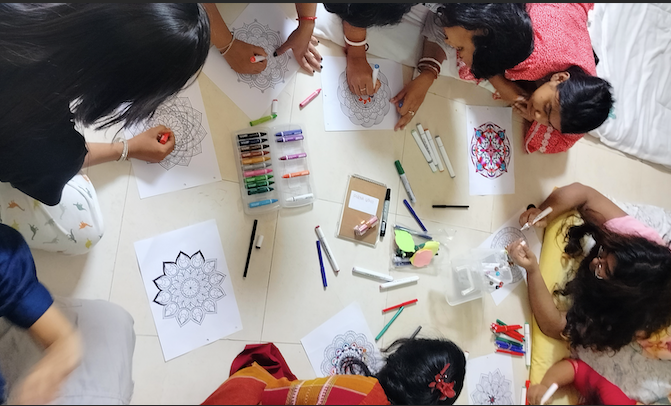
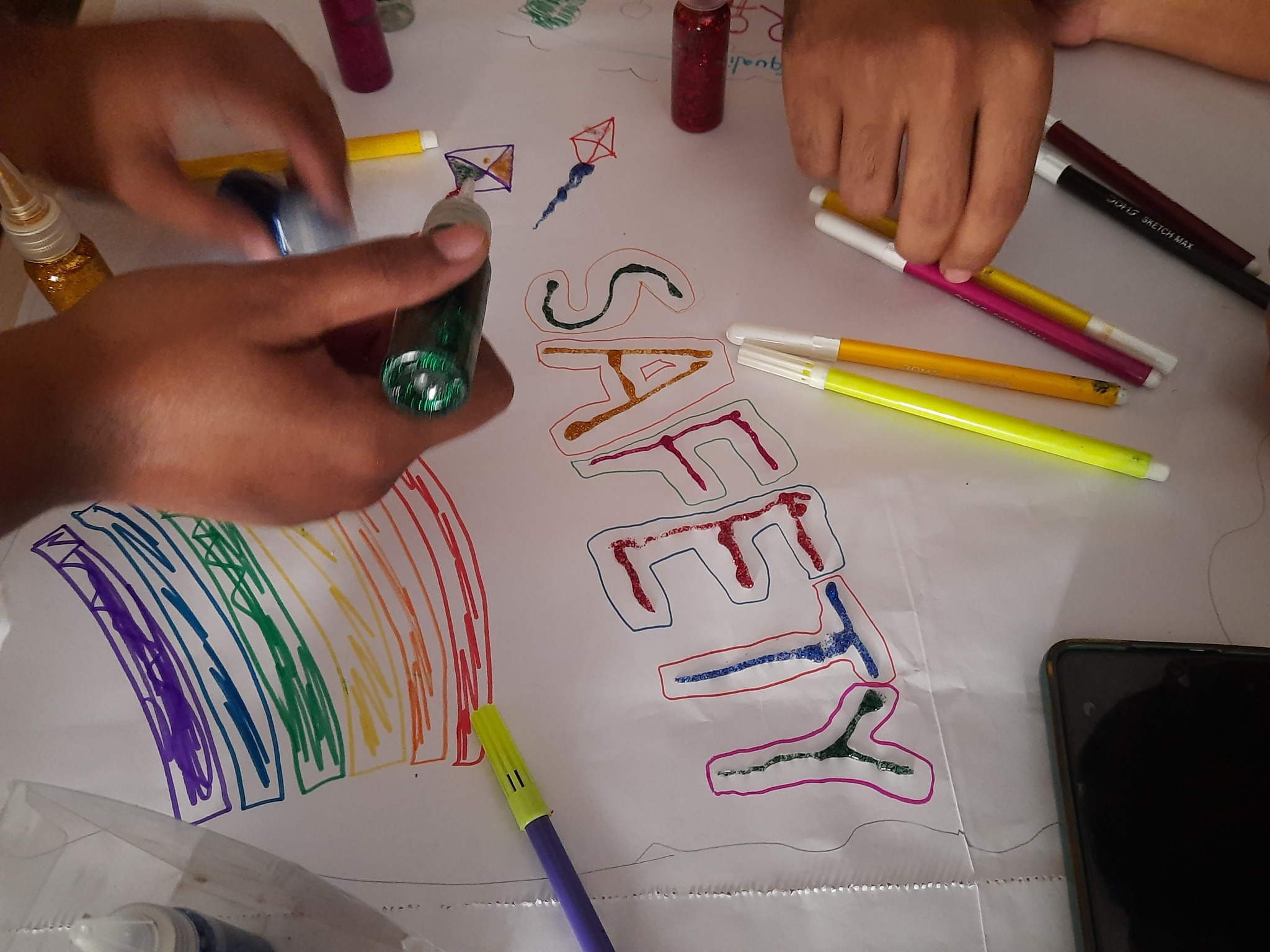
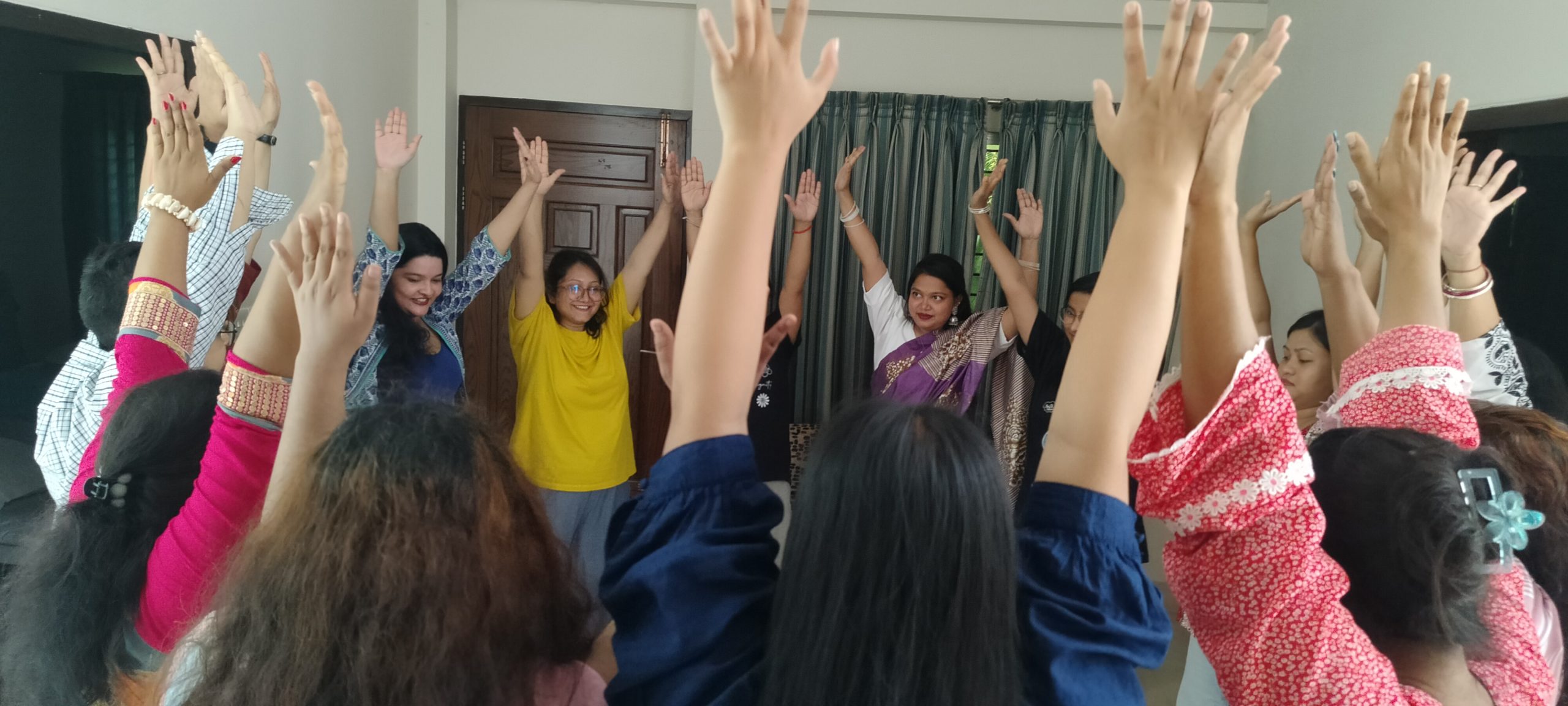
    To bring this collective care vision to reality, Bonhishikha piloted ‘বিলাসিতার প্রণালী – Recipes of Rest’- first of its gatherings where rest is the agenda. This gathering was intentionally designed Not as a conference, a workshop, nor a networking event, but a space to co-dream and co-create what movements could become if we centered care as strategy. Across two months, we hosted four gatherings – three online pit stops and one in-person final resting stop aka retreat for 17 individuals embedded in movement spaces from different communities – climate-vulnerable women, indigenous women, gender diverse, women with disabilities, and otherwise marginalized communities for whom rest is too often deferred or denied. Each gathering was designed as an invitation to try out some tools and strategies for arriving at a more restful place. Using art and play, we came together to explore rest, care, nourishment and needs within our lives and within our movements.


    The objective of this initiative is grounded in the feminist understanding that rest and care are not an individual responsibility but a collective practice. Care is political. Rest is resistance. When we rest together, we not only heal – we organize toward futures where care infrastructures are central to how we live, resist, and rebuild.

  • Strengthening Intergenerational and Inclusive Women’s Movement in Bangladesh

    Strengthening Intergenerational and Inclusive Women’s Movement in Bangladesh

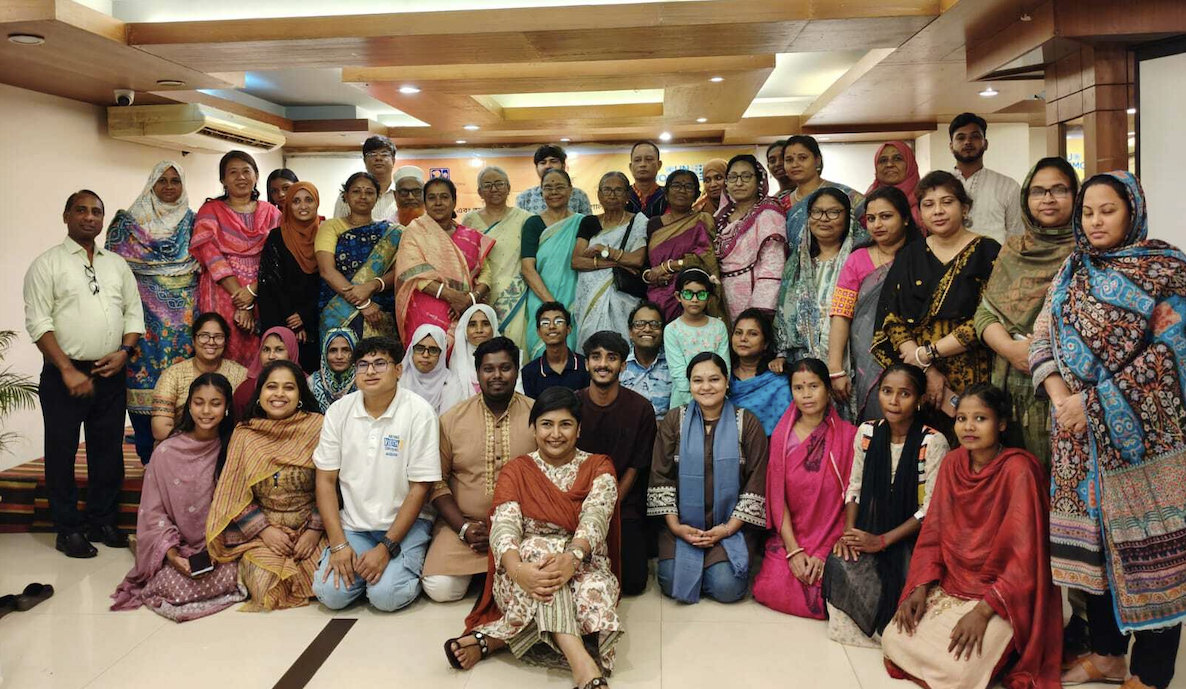
    The Strengthening Intergenerational and Inclusive Women’s Movement in Bangladesh project, implemented by Bangladesh Mahila Parishad and Bonhishikha with support from UN Women Bangladesh since August 2023, has brought together women and structurally excluded communities to amplify their voices and demands. Through divisional dialogues and validation workshops, the project developed a Charter of Demands and a position paper that reflect the collective aspirations of diverse groups, reinforcing advocacy with state and non-state duty bearer. 


    From 2025, the project has entered a new phase, focusing on building collective resilience and solidarity at the grassroots level, enhancing the movement’s capacity for security and risk assessment, and strengthening advocacy initiatives. By conducting capacity building workshops across eight divisions of Bangladesh with women’s rights activists, human rights workers, young leaders, and marginalised communities, the project is equipping movement actors with the tools and strategies they need to respond to emerging challenges. This phase also strengthens community-led mechanisms by forming a local coalition for crisis management, creating an incident registry to track issue-specific cases, and deepening advocacy to hold duty bearers accountable for women’s representation and justice for the marginalised communities.The project support to ensure that women and excluded communities can bring their voices, experiences, and leadership to the forefront, shaping a more inclusive and resilient women’s movement from regional spaces to the national level.

    Link to the Charter of Demands

  • Women Gaining Ground

    Women Gaining Ground

    Women Gaining Ground (WGG) is a five-year project led by CREA, IWRAW Asia Pacific, and Akili Dada, with support from the Dutch Ministry of Foreign Affairs. The project started in 2021 with the aim to eliminate sexual and gender-based violence (SGBV) while advancing women’s leadership and political participation. It places particular focus on young women, women with disabilities, and those from socially excluded communities, ensuring their voices are strengthened and represented in decision-making spaces.
    Now in its final year in 2025, the 20 youth-led groups of WGG across Bangladesh, have continued their work based on the issues that they identified earlier in the project . These groups include young people from indigenous communities, ethnic and religious minorities, climate-affected areas, gender-diverse groups, rural and urban young women, and women with disabilities. After being capacitated in political awareness and participation, and feminist transformative leadership to eliminate SGBV, these young leaders carried out small research activities in their own communities and used the findings to shape their advocacy. 
    Throughout the year, the young leaders have been working on a range of issues: the effects of eco-tourism in the Chittagong Hill Tracts, access to SRHR information in Dalit Community, everyday SGBV related to the gaps in marriage and divorce registration, and the value of indigenous knowledge on climate adaptation in CHT and coastal regions, advocacy for eradicating systematic discrimination against gender diverse communities. 
    Most of their engagement has been with non-state duty bearers and local actors, strengthening their links with local service providers and community leaders to make their advocacy more practical.Together, these young leaders are now advancing inclusive, locally rooted movements for gender equality, human rights, climate justice, and social transformation.

  • Strengthening Feminists Movement (Virtual Course)

    Strengthening Feminists Movement (Virtual Course)

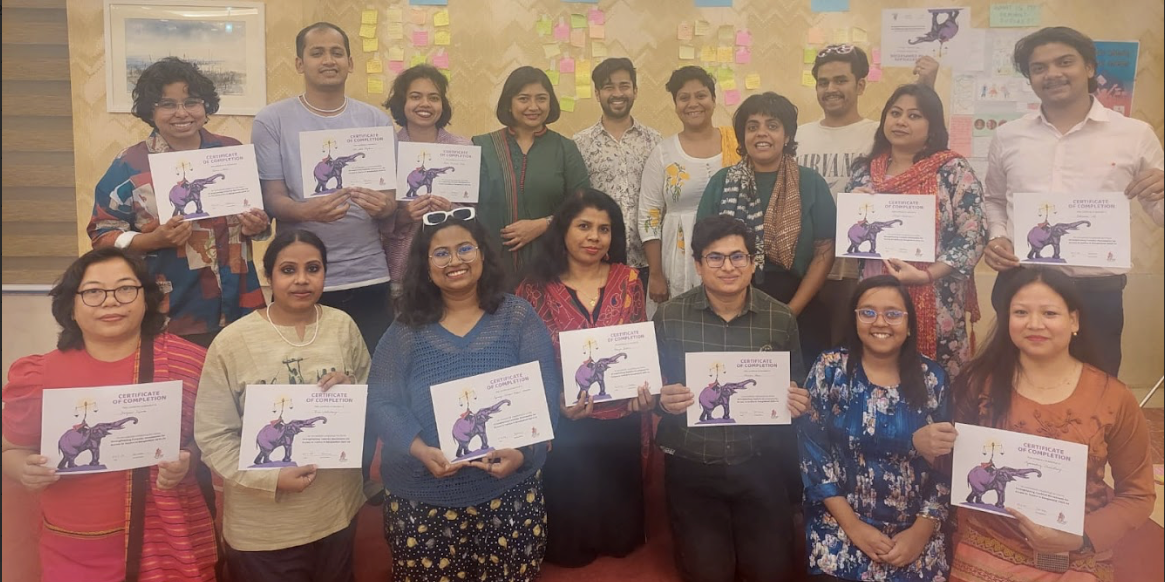
    Supported by the Women’s Fund Asia, Bonhishikha developed a virtual course to strengthen the feminist movement for access to justice, training grassroots organisations and activists. In the last quarter of 2023, human rights advocates, feminist academics, and community leaders led online sessions for this course. Participants then gathered for a 2-day bootcamp in February 2024, where they networked with experts in their fields and collaborated on envisioning a just feminist future. While the training sessions took place online, Bonhishikha made videos and other resources available on an open-source learning platform, in order to ensure access to the materials for both project participants and anyone else who could benefit from the training.

  • Assessment of Safety, Care, and Resilience in Bangladesh’s Feminist Movement Space

    Assessment of Safety, Care, and Resilience in Bangladesh’s Feminist Movement Space

    Under the Webs of Safety and Care Grant, we conducted an assessment among activists in the feminist movement in Bangladesh to understand their safety and care needs. Participants included women, gender-diverse individuals, indigenous communities, persons with disabilities, and members from religious and ethnic minority communities. Through this assessment, we aimed to understand the safety, health, and wellbeing challenges faced by human rights defenders both in their work and as community members.


    What we found:
    The assessment revealed a critical need for dedicated spaces that prioritise care, mental wellbeing, and relationship-building beyond professional roles. Participants highlighted the impact of burnout, anxiety, and stress, compounded by the lack of spaces for genuine connection and healing. Many expressed a desire for environments where they could step away from work demands, build meaningful relationships beyond professionalism, and share experiences in nonjudgmental settings. Our findings emphasise the importance of collective care, promoting mental well-being, and creating opportunities for activists to connect personally, strengthening community ties and resilience in the face of ongoing challenges.

  • Study to Assess the Capacities, Gaps, and Needs of Women-led Organisations (WLOs) to Address Gender Transformative Approach (GTA) into Projects/Programs in both Development and Humanitarian Settings

    Under UNFPA’s 10-Country Programme (2022–2026), Bonhishikha assessed 33 Women-led Organisations across five regions to identify their capacities, gaps, and needs for integrating Gender Transformative Approaches (GTA) into projects and programmes in both development and humanitarian contexts. Using profiling, workshops, and individual assessments, the study aimed to support the design of localized and standards-aligned interventions.


    What We Found:
    The assessment revealed that while many WLOs work actively on gender-based violence prevention and survivor support, fewer integrate intersectional perspectives or address issues faced by transgender people, women with disabilities, or climate-affected communities. Challenges include limited resources, siloed approaches, and lack of collaboration mechanisms. The study recommended strengthening coordination, building alliances, and investing in capacity development to help WLOs adopt inclusive and transformative approaches.

  • Men Don’t TALK

    A collection of experiences from men growing up in Dhaka, performed for the first time in 2016. The production was led by men, projecting what they faced and manoeuvred as they aimed to establish their identities matching the demands of being a man in our social context. The show covered issues on masculine stereotypes, fatherhood, sexuality, emotional expression, depression, and failure as defined by manhood.

  • She Said He Said

    A theatrical production on the dialogues between the sexes about gender stereotypes, roles and challenges faced by women and men of Dhaka. A collection of pieces from It’s a SHE Thing and Men don’t TALK brought together to start off the discussion about the roles men and women play in our societies.

  • Play Reading of ‘The Visit’- Revisited in Bangladesh

    Bonhishikha presented his iconic play “The Visit”, revisited in Bangladesh. The play was read from a feminist lens and as with all Bonhishikha’s plays, the organisation held conversations afterwards on the importance of challenging harmful norms in society that exist even today. The play was read in order to celebrate the 100th birthday of Swiss dramatist Friedrich Dürrenmatt, and during 16 days of activism campaign 2021, in the residence of the Swiss ambassador.